Design Project Management: 6 Tips To Reach Your Goals
Design project management can seem like a daunting task. You need to know how to manage all the details, break designs down into tasks, keep your team happy and productive, and deliver a high-quality product that meets the client’s expectations.
You need hands-on advice on all aspects of design project management, from organizing your workflow and managing designer and developer relationships to creating client agreements and staying organized across large design projects.
In this guide, we’ll teach you how to run a successful design project management for your next WordPress project.

What is Design Project Management?
Design project management is the art of managing and organizing all aspects of a design project from conception to completion. This includes setting goals and deadlines, assigning tasks to team members, tracking progress, and ensuring that the final product meets or exceeds expectations. By having an effective design project management process in place, teams can ensure there are no delays or misunderstandings during a project’s development cycle.
WordPress design projects often require large amounts of coordination between designers, developers, and other stakeholders. Without proper planning and organization, these projects can quickly become unmanageable.
Design project management allows for efficient communication between all parties involved and helps keep track of various tasks associated with the design process—ranging from creating wireframes to user interface designs to coding webpages. At the same time, it also provides insight into the overall progress being made at each stage of development. This helps teams avoid setbacks due to miscommunication or lack of direction, which could potentially derail an entire project timeline if left unchecked.
Additionally, by utilizing tools such as task lists, software applications, and WordPress themes like Kadence, it becomes easier to plan for any potential problems. It also helps ensure they won’t occur further down the line when time may be more limited.
Why is Design Project Management Important?
Design project management is vital to success, as it keeps the project on track in terms of meeting its goals and objectives. By having an effective plan in place, teams can easily identify any areas of the project which may be falling behind or require further attention. This allows for quick adjustments to be made so that timeframes are adhered to and the final product is successful.
Additionally, it helps to increase team morale by assigning individual tasks or responsibilities as well as setting achievable deadlines for each task, which encourages motivation and collaboration within a team environment.
Not only that, design project management provides valuable insight into a project’s progress, which can then be used to assess overall performance metrics such as cost-effectiveness, efficiency, and quality assurance. By tracking these metrics throughout a design process, stakeholders can determine if changes need to be made in order to ensure that their desired outcomes are achieved without compromising on budget or timeline requirements.
This just goes to show that project management is an essential tool when developing complex WordPress sites, as it enables teams to stay organized and focused on achieving their desired results within set timelines and budgets.
6 Tips for Design Project Management
1. Establish Clear Goals and Objectives
Before beginning your WordPress design project, it’s important to define the goals and objectives you want to achieve. This will help guide your team’s decision-making process throughout the entire development cycle. This should include identifying any constraints or limitations that must be taken into consideration when creating the final product to ensure that everything runs smoothly and expectations are met.
2. Collaborate Together
When the designers, developers, and stakeholders come together to collaborate—rather than working apart—everything will run so much smoother. It should never be a solo project, with each team working on its own separate jobs at all times. This is key to the project’s success!
3. Assign Roles & Responsibilities
It’s essential for teams to assign roles and responsibilities within each stage of a design project, so everyone knows what their individual tasks are. They also need to know who they should reach out to if they need assistance or have questions about certain aspects of the project. This helps everyone stay on the same page while also ensuring that issues can be addressed quickly without any delays or misunderstandings.
4. Utilize Tools & Software Applications
There are various software applications on the market that can help you greatly improve communication between everyone involved in a design project. These applications are helpful in providing an online platform for collaboration, tracking progress, and setting deadlines. With that in mind, it’s important for teams to consider utilizing these tools when managing their projects so that they can maximize efficiency and productivity levels throughout every step of the project development cycle.
5. Monitor Progress Regularly
For a design project management system to be successful, it’s essential for teams to regularly monitor the progress of goals and objectives set at the beginning of a project timeline. This helps identify potential problems that may come up along the way—before they become too difficult to handle down the line. Additionally, this allows stakeholders more insight into how resources are being allocated during each stage of development so necessary adjustments can be made accordingly if needed.
6. Set Reasonable Deadlines
One common issue faced when managing complex projects involves trying to meet unrealistic timelines due to tight budgets or other external pressures from clients or stakeholders alike. However, setting reasonable deadlines not only helps with preventing burnout but also keeps things running smoothly overall.
Design Project Management Tools
WP Project Manager
WordPress is one of the most popular content management systems in the world. It has a wide variety of plugins available to help with design project management, such as WP Project Manager. This allows for easy tracking and reporting of tasks within a project, providing intuitive task lists, Gantt charts, and Kanban boards. This plugin also facilitates collaboration between team members, allowing them to comment on tasks or upload files directly from WordPress’s built-in media library.
Kadence Theme
We have to talk ourselves a little. You need good theme for your website, and, lucky for you, Kadence Theme is one of the fastest themes in WordPress history, and it’s one of the fastest growing! Kadence is an intuitive theme that allows you to build beautiful websites without needing to write a single line of code. We recommend pairing it with Kadence Blocks to easily build the website of your dreams. Kadence is simple enough for a beginner to use, but powerful enough for an experienced designer to work with. Whether you’re looking to improve your site’s aesthetic, boost conversions, build a stronger audience or all three, Kadence is an absolute must-have for your design project management.
Kadence Starter Templates
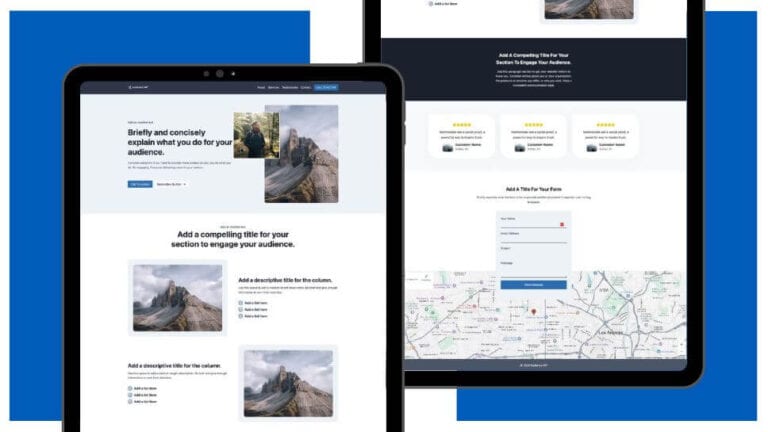
The Kadence Starter Templates are a perfect way to get your client’s site up and running quickly and easily. Kadence offers no-code, ready-to-use starter site templates for a ton of different niches. Does your client want a travel blog? Choose the Travel Blog starter template for a breathtaking site with royalty-free images. Or if your client runs a charity, the Charity starter template will help you build a site quickly so the client can focus on getting those funds flowing.
Advanced Custom Fields
Lastly, Advanced Custom Fields provides developers with access to powerful custom fields that can be used for gathering various types of data associated with a particular design project ensuring accuracy across multiple platforms. By leveraging these tools, teams are able to streamline their workflow. This results in faster turnaround times without sacrificing quality standards, making it an indispensable tool that any serious designer must have in their arsenal nowadays.
How to Avoid Poor Project Management
1. Establish Clear Goals and Objectives
Before beginning any project, it’s important to have a clear understanding of what needs to be achieved for the project to be successful. This includes setting measurable goals that can easily be tracked throughout development, as well as identifying any potential constraints or limitations which may affect progress. By having a well-defined roadmap from the outset, teams can avoid common pitfalls such as scope creep and budget overruns by staying on track toward achieving their desired outcomes—all within the original set timelines and budgets.
2. Assign Roles & Responsibilities
For a design team to work effectively, it’s essential for each member’s roles and responsibilities within the project to be clearly defined before they begin working together. This helps ensure that everyone knows who they should reach out to if they need assistance or have questions about certain aspects. It also helps foster collaboration amongst all members involved in the process.
Additionally, tasks should also be assigned according to individual skill sets so everyone feels comfortable with their role while maximizing efficiency across all stages of development. All of these roles are fulfilling on their own and also come together, ultimately resulting in a better-finished project overall.
3. Utilize Tools & Software Applications
Is your team taking advantage of the right tools and software applications throughout every step of the design process? Modern software applications offer powerful tools which can greatly improve communication between stakeholders during design projects. It’s crucial for teams to make use of these applications when managing their projects, as they maximize efficiency levels throughout every step of the development cycle.
4. Monitor Progress Regularly
Another important tip is to monitor your team’s progress against predetermined goals regularly. Teams should also consider implementing quality assurance processes at various points throughout the timeline and actively reviewing both code functionality and visual components. This will ensure everything remains at an optimal level and help identify any potential problems early on, so adjustments can make accordingly without causing major delays further down the line. This is the last thing you want, especially once more resources have been allocated to the project.
5. Set Reasonable Deadlines
When dealing with clients or other external parties, sometimes client problems like unrealistic expectations come up, which are placed on developers due to tight budgets or timeframes. However, this often leads to burnout for the developers. In addition, the finished project may not live up to its full potential if teams are rushing to fulfill their duties on tight deadlines. By setting a reasonable timeline, each team is able to produce quality work from start to finish.
Create Your Design Project Management Strategy
Step 1: Leverage Automation
First things first—automating mundane and repetitive tasks can help save time and resources when managing design projects. This allows teams to focus on more pressing matters promptly. Automating task scheduling helps ensure that processes are running smoothly without any human intervention required. At the same time, automating reporting also allows for better tracking of progress throughout the entire development cycle. By leveraging automation technology, teams can quickly identify areas where improvements need to be made. This also empowers them with data-driven decisions when it comes to making strategic changes within their projects.
Step 2: Establish an Effective Communication System
Clearly defining how team members will communicate with each other is essential for successful project management. This ensures information is relayed accurately while also helping facilitate collaboration between all parties involved in the process.
Creating an effective communication system involves creating channels such as email lists or group chats so everyone knows who they should reach out to if they need assistance. If anyone has questions about certain aspects of the project, this ensures that issues can be addressed quickly without causing delays down the line.
Having a consistent schedule for meetings and check-ins can also further improve communication by allowing stakeholders insight into how resources are being allocated during each stage of development. That way, the necessary adjustments can be made accordingly if needed.
Step 3: Utilize Visual Management Systems
Visual representation components such as charts and diagrams provide an additional level of clarity when it comes to understanding complex relationships among various elements within a particular design project. Not only does this make it easier for both developers and clients alike to follow along, but also offers a great way to keep track of progress for the goals and objectives set at the beginning of the timeline. As a result, implementing visual management systems becomes an invaluable asset that any serious designer must have in their arsenal nowadays to maximize efficiency levels across the board.
Wrapping Up
Project Management is one of the most crucial yet difficult skills to learn.
Like chasing the perfect workflow, there is no single approach to managing a design project that will work for every designer and client. There are many approaches you can employ and many situations you encounter where different strategies will be more effective.
As a result, it’s best to have several tools up your sleeve to choose from. Use the strategies in this guide as a way to think about your next project, and try them out in order to determine which one works best for you.
Over time, you’ll come up with strategies of your own based on your experience. It might take a while before everything starts falling into place, but don’t let that stop you!
Grow your Site with Kadence
A Kadence full bundle gives you everything you need to supercharge your site to take advantage of the latest web design trends. With our new Advanced Query Loop and Kadence AI just being released, it’s the perfect time to see what all the fuss is about with Kadence.
Create Your Website With KadenceWP Today!

Written by Kathy Zant
Kathy is a writer and speaker who helps businesses and people thrive. She creates some of the best content and tutorials about how to get more out of technology, marketing how-tos that help you grow your business, reports on security issues you need to know as they occur, and gives you all the tutorials to stay ahead and secure your life and business.
By Kathy Zant
Kathy is a writer and speaker who helps businesses and people thrive. She creates some of the best content and tutorials about how to get more out of technology, marketing how-tos that help you grow your business, reports on security issues you need to know as they occur, and gives you all the tutorials to stay ahead and secure your life and business.
Updated January 13, 2025
Create Your Website With Kadence